WINGS ON WALLS
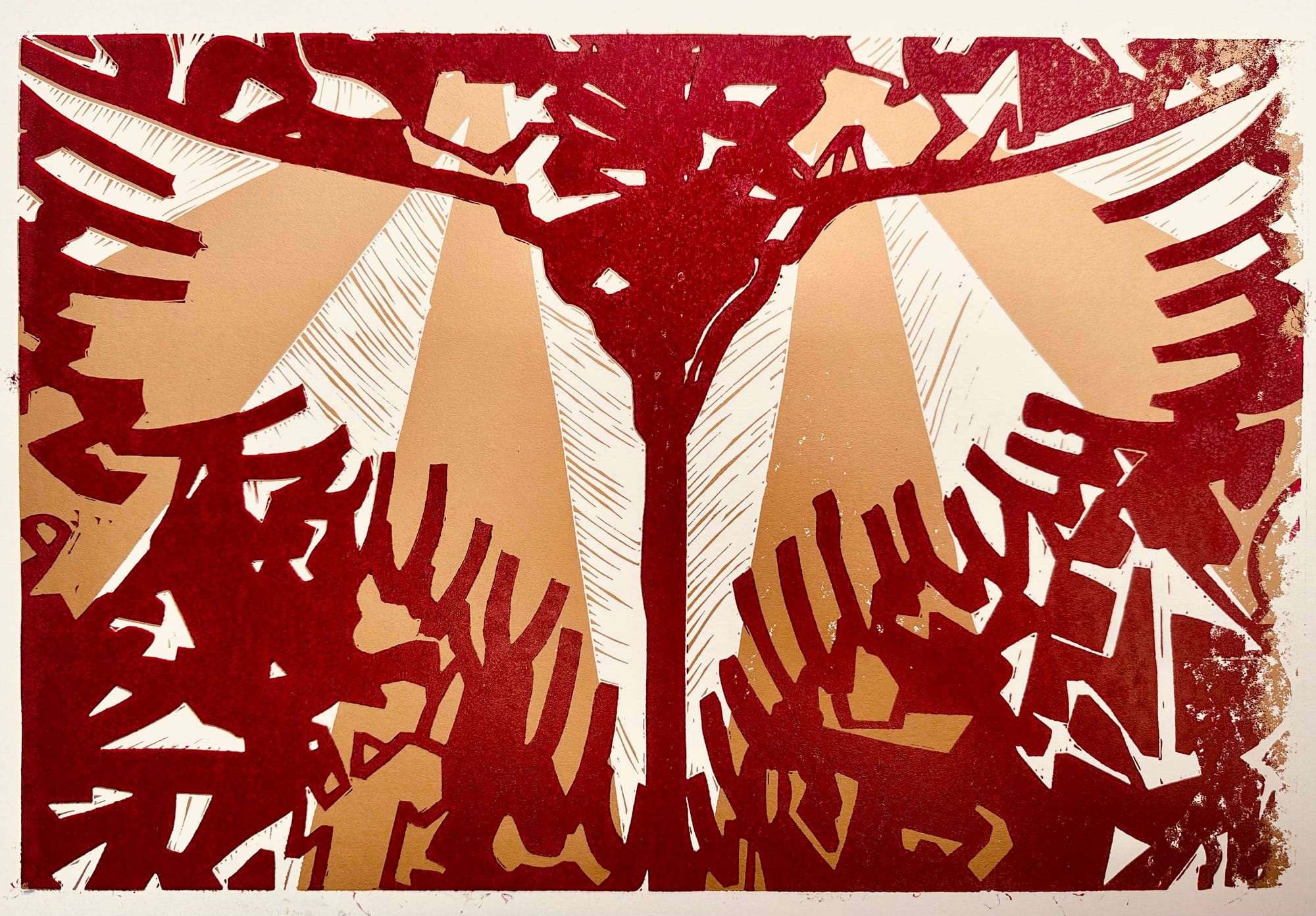
When wandering through American cities, one will often find wings painted on walls, fully disconnected from a central body plan, yet anticipating their inevitable presence in photography. They are as diverse in their presentation as any lepidopterist’s collection of pinned specimens, aesthetically adapted to the character and conditions of their surroundings.
There are three popular explanations for this phenomenon:
1. Attaching one’s self to these wings temporarily deputizes the subject as servant to an angel’s will, and binds them to a handful of mortal-capable tasks until they are completed, failed, or annulled. This is particularly true in Los Angeles, where despite its name, only one of its founding angels yet lives (its name is kept secret in a covenant between Vatican intelligence and all other organizations with which it has allegedly made contact). In its flickering divinity, it is making one last attempt to serve its purpose, relying on human vanity to propagate its social programs.
2. These wings belong to a subspecies of pigeon whose pseudogenetic information is stored in cultural memory, then projected into the world as two-dimensional, lichenesque splatters simulating the wings of its ancestors. Researchers cite the eyeless pigeons of the Lower Wacker in Chicago as a form of synanthropy whereby the species has foregone important adaptations in trust of humanity’s fostering of artificial cave networks in urban areas; when taken to its extreme, it is perhaps possible that a species could continue to propagate as a conceptual form long after its material extinction, in a state where every last vital organ is rendered vestigial. The compulsion of human artists, then, serves as its cycle of reproduction.
3. They are near-fully memetic parasites, and feed by sharing the digestive tract of those posing with them for the few moments they are in proximity. While similar to degenerate pigeon hypothesis, this interpretation discounts the possibility of any evolutionary ancestor, and holds that these wings are a primordial lifeform with no prior point of reference beyond their mental conception.
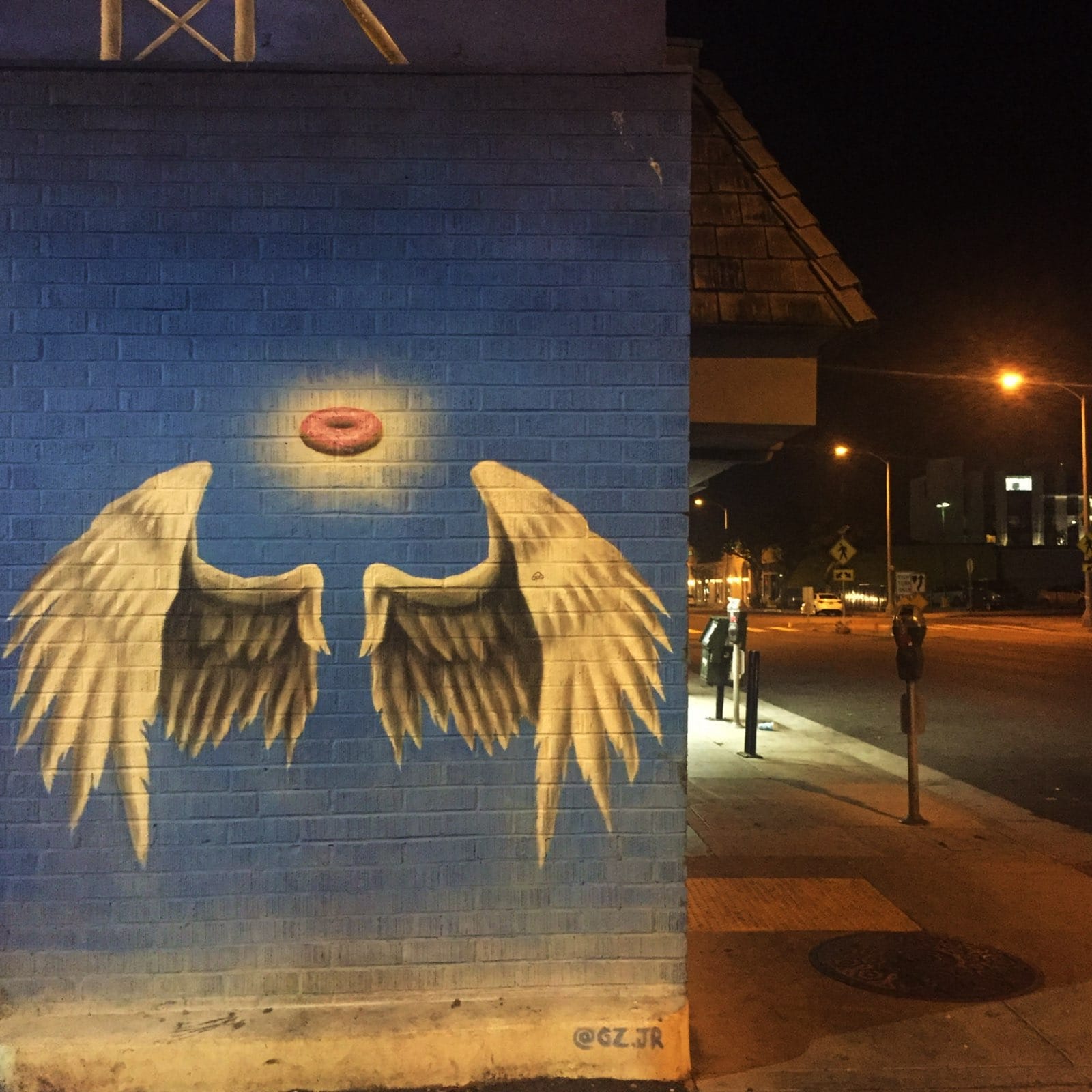
Regardless of whether any or all of these speculations hold merit, human behavior organizes around these glyphs; even here, in this missive, they propagate further.